
NESA Therapy in Grantham, Lincolnshire, East Midlands
About NESA Therapy
Help your nervous system to get out of survival mode with our cutting edge microcurrent technology
Table of Contents
What is NESA Therapy?
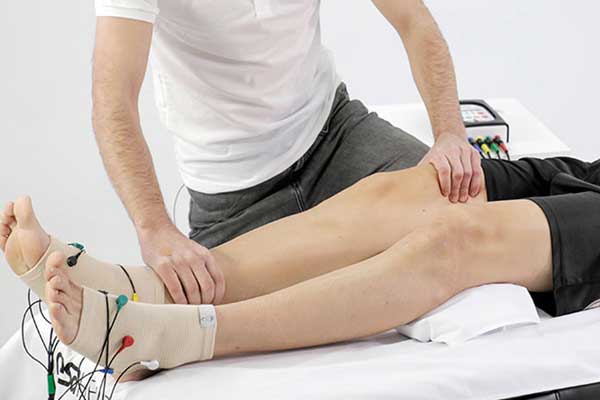
NESA XSIGNAL® is a patented, clinically validated neuromodulation system developed in Japan and now used by leading hospitals, sports medicine teams, and neurologists across Europe. It works by delivering imperceptible microcurrents through 25 electrodes placed on the hands, feet, and one additional site on the body. These microcurrents mimic the body's own natural electrical signals, working directly with the autonomic nervous system to help restore balance, improve sleep, reduce pain, and support the body's natural capacity to heal.
Unlike conventional treatments that often address individual symptoms in isolation, NESA therapy works systemically - targeting the autonomic nervous system as a whole, and supporting neuroplasticity: the nervous system's ability to form new, healthier neural pathways over time.
Progress is also measurable. Each treatment course includes WeCardio® cardiovascular monitoring - tracking heart rate variability (HRV) and other cardiovascular data before and after your course. Results and progress graphs can be sent directly to your phone, giving you objective evidence of change alongside the improvements you feel day to day.
Who Uses NESA Therapy?
NESA therapy is trusted globally, with more than 1,000 clinics, hospitals and universities across 31 countries now using the technology, and over 250,000 patients treated to date. Professional sports teams including FC Barcelona, Benfica and Manchester United use it to support athletic recovery, sleep quality and performance under pressure. It's used in neurology clinics, physiotherapy practices, and pain management centres, and is gaining rapid recognition in the UK.
In sporting and performance contexts, NESA is most commonly used to support physical recovery, sleep during high-demand training periods, and pre-competition nervous system regulation. These are genuinely impressive applications - but they aren't what I specialise in.
My Specialist Focus
My background is in psychological therapy, and the clients I work with are dealing with conditions that have a significant psychological or emotional component: insomnia, stress, anxiety, chronic fatigue, burnout, depression, and chronic pain rooted in nervous system dysregulation.
Most NESA practitioners are physiotherapists, sports therapists, or osteopaths who use it as a physical or performance treatment, and do so very effectively. But that isn't my area. I work exclusively with people whose lives are being affected by conditions that sit at the intersection of the mind, body and nervous system - and that's where NESA therapy, in my experience, has the most to offer.
What makes my approach unique is that I can combine NESA therapy with somatic psychological therapy within the same session and treatment plan. This matters because the conditions NESA is most effective for aren't purely physical. They have roots in emotional patterns, nervous system conditioning, past trauma, and psychological habits that keep the body locked in stress. Addressing those layers at the same time as working directly with the nervous system can significantly deepen and accelerate results.
I call this integrated approach Neuro-Somatic Therapy - and if you're looking for a practitioner who can work with both dimensions simultaneously, you probably won't find anyone else in the UK.
What is Neuro-Somatic Therapy?
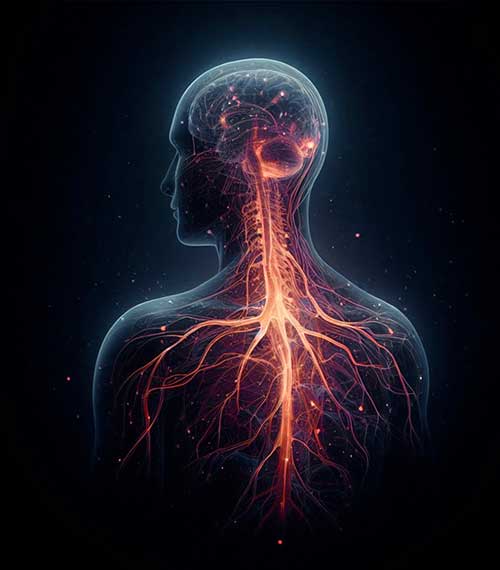
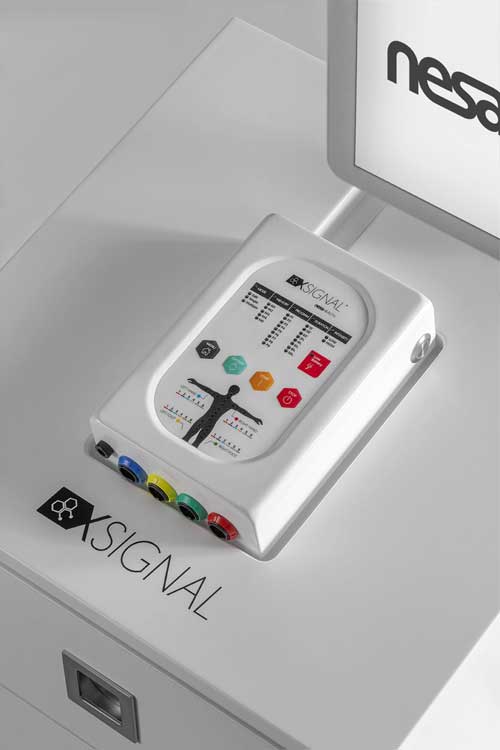
Neuro-Somatic Therapy is a pioneering integrated approach developed by Lee Bladon that combines NESA neuromodulation with somatic psychological therapy. While NESA works from the bottom up - directly regulating the autonomic nervous system at the neurological level - somatic psychological therapy works from the inside out, addressing the emotional and psychological patterns driving nervous system dysregulation. Used together within the same session, they create conditions for healing that neither approach achieves as effectively alone:
Breaking the fight-or-flight loop. When someone is trapped in chronic sympathetic overdrive, their body is physiologically resistant to psychological intervention. NESA therapy changes this by physically creating the conditions for healing - stimulating parasympathetic activity and restoring autonomic balance so that the body genuinely settles at the neurological level. This creates a window of tolerance in which emotional processing becomes possible without tipping into overwhelm.
Enhancing neuroplasticity. Lasting psychological change depends on the nervous system's ability to form new neural pathways. But chronic stress, poor sleep, and ANS dysregulation all impair that capacity. By improving sleep quality and restoring the physiological conditions that support healthy brain function, NESA therapy actively enhances the neuroplastic potential of every psychological session - making new insights and shifts more likely to stick.
Healing the mind-body connection. Many people dealing with psychological distress also experience physical symptoms: chronic tension, fatigue, pain, digestive problems. Somatic psychological therapy addresses the emotional roots of these patterns. NESA therapy addresses the neurological imbalances sustaining them. Working with both simultaneously means neither dimension is left untreated.
Ready To Find Out More?
If you'd like to understand more about how NESA therapy or Neuro-Somatic Therapy could help you specifically, the best place to start is a free, no-obligation consultation. We'll talk through what you're experiencing, what you've already tried, and which approach is most likely to help.
You can also read about the specific conditions I work with, or explore the clinical research behind NESA therapy by clicking the links below.